

Financial success rarely happens overnight. Most wealthy individuals achieve their goals through consistent budgeting, disciplined saving, and long-term investing. Whether you’re trying to build an emergency fund, save for a home, or prepare for retirement, having a clear financial strategy can make all the difference.
In this guide, we’ll explore proven tips to help you manage your money effectively and grow your wealth over time.


1. Create a Realistic Budget
A budget is the foundation of financial stability. It helps you understand where your money goes and ensures that your spending aligns with your goals.
How to Build an Effective Budget
- Track all sources of income.
- List fixed expenses such as rent, utilities, and loan payments.
- Monitor variable expenses like dining, entertainment, and shopping.
- Set spending limits for each category.
- Review and adjust your budget monthly.
A popular approach is the 50/30/20 Rule:
- 50% for necessities
- 30% for wants
- 20% for savings and investments
2. Pay Yourself First
One of the most effective saving strategies is to prioritize savings before spending.
Practical Steps
- Automate transfers to a savings account.
- Save immediately after receiving your salary.
- Increase your savings rate whenever your income grows.
Even small amounts saved consistently can grow significantly over time.
3. Build an Emergency Fund
Unexpected expenses can derail your financial plans. An emergency fund acts as a safety net.
Recommended Target
Aim to save 3–6 months of living expenses in an easily accessible account.
This fund can help cover:
- Medical emergencies
- Job loss
- Vehicle repairs
- Unexpected home expenses
4. Eliminate High-Interest Debt
Debt with high interest rates can significantly slow wealth accumulation.
Debt Reduction Strategies
- Pay off credit card balances as quickly as possible.
- Focus on debts with the highest interest rates first.
- Avoid taking on unnecessary consumer debt.
Reducing debt frees up more money for saving and investing.
5. Start Investing Early
Time is one of the most powerful factors in investing.
The earlier you begin, the more your investments can benefit from compound growth.
Why Compounding Matters
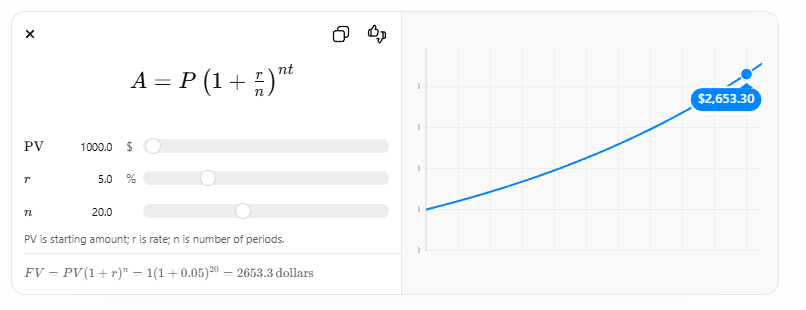
Where:
- A = Final amount
- P = Initial investment
- r = Annual return rate
- n = Number of compounding periods
- t = Time in years
The longer your money remains invested, the greater the potential growth.
6. Diversify Your Investments
Diversification helps reduce risk by spreading investments across different asset classes.
Consider a mix of:
- Stocks
- Bonds
- Index funds
- ETFs
- Real estate
- Cash reserves
A diversified portfolio can help protect against market volatility.
7. Invest Consistently
Trying to predict market highs and lows is extremely difficult.
Instead, focus on consistent investing through strategies like Dollar-Cost Averaging (DCA).
Benefits include:
- Reduced emotional decision-making
- Lower impact of market fluctuations
- Consistent wealth-building habits
8. Increase Financial Knowledge
Financial literacy is one of the best investments you can make.
Learn about:
- Personal finance
- Investing fundamentals
- Tax strategies
- Retirement planning
- Risk management
The more informed you are, the better financial decisions you’ll make.
9. Review Your Financial Goals Regularly
Your financial priorities may change over time.
Review your goals at least once or twice per year and ask yourself:
- Are my savings targets on track?
- Is my investment portfolio aligned with my objectives?
- Have my income or expenses changed significantly?
Regular reviews help keep your financial plan relevant and effective.
10. Think Long-Term
Wealth building is a marathon, not a sprint.
Short-term market fluctuations are normal, but successful investors focus on long-term trends and disciplined habits rather than daily market movements.
Key Takeaways
- Create and maintain a realistic budget.
- Save consistently and automate the process.
- Build a strong emergency fund.
- Eliminate high-interest debt.
- Start investing as early as possible.
- Diversify your portfolio.
- Invest consistently over the long term.
- Continuously improve your financial knowledge.
Conclusion
Achieving financial security doesn’t require perfect timing or a large income. It requires consistency, patience, and smart financial habits. By budgeting wisely, saving regularly, and investing for the long term, you can build a strong financial future and steadily grow your wealth over time.
The best time to start was yesterday. The second-best time is today.