What Are Solar Panels?
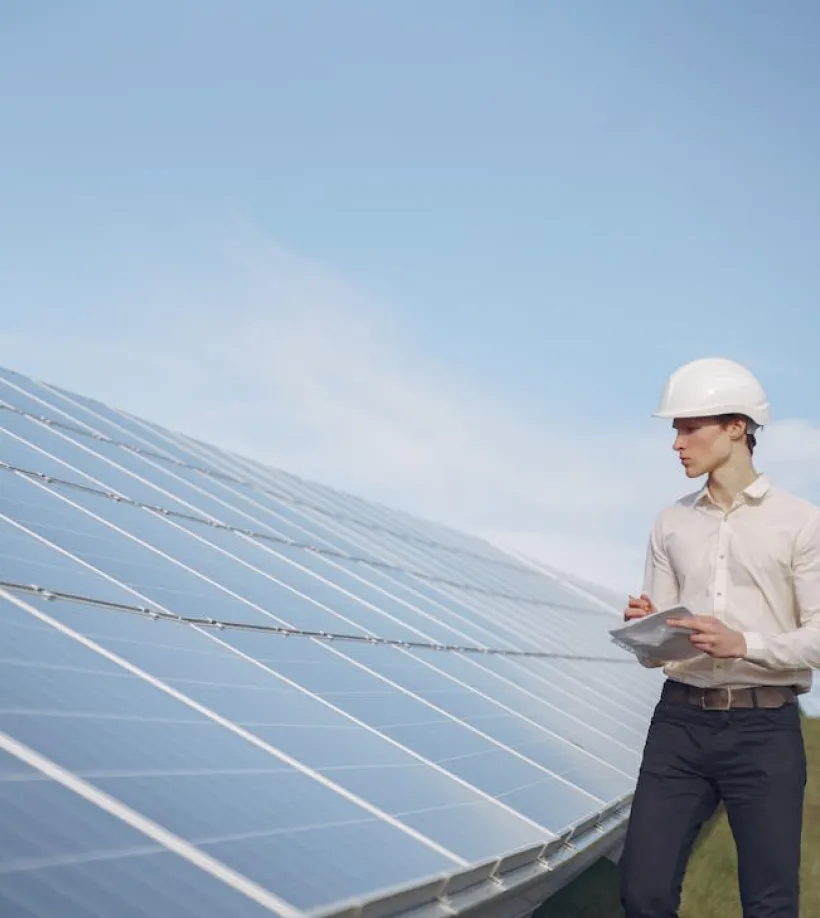
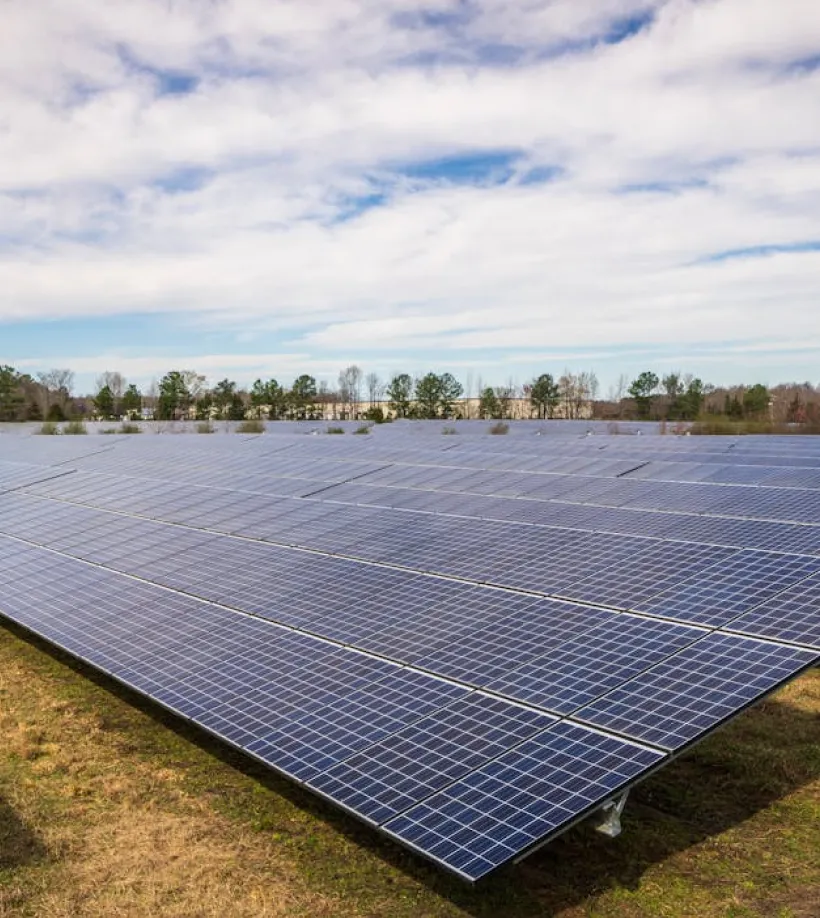
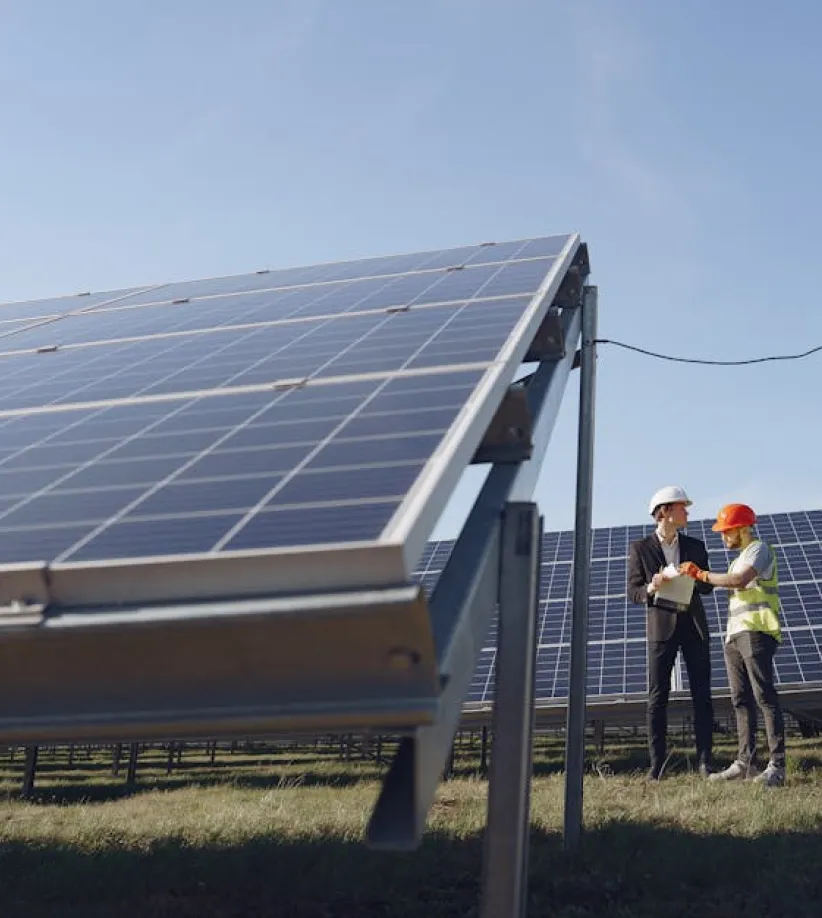
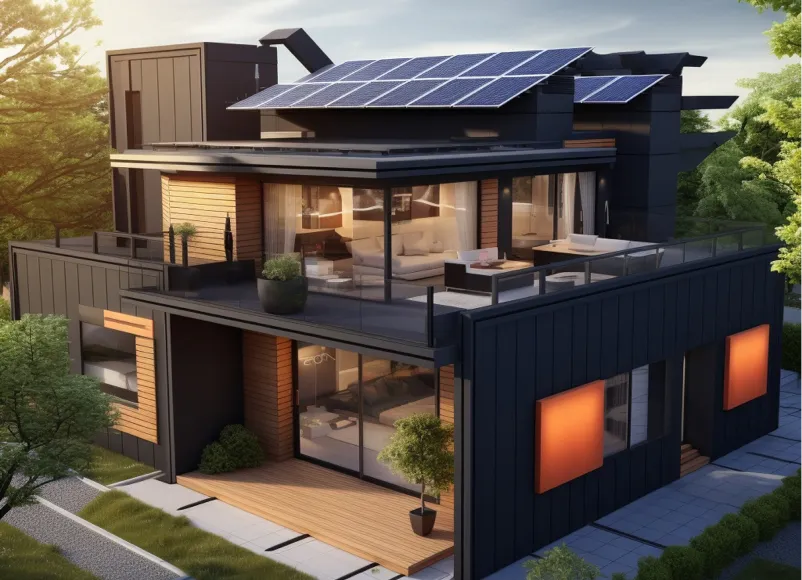
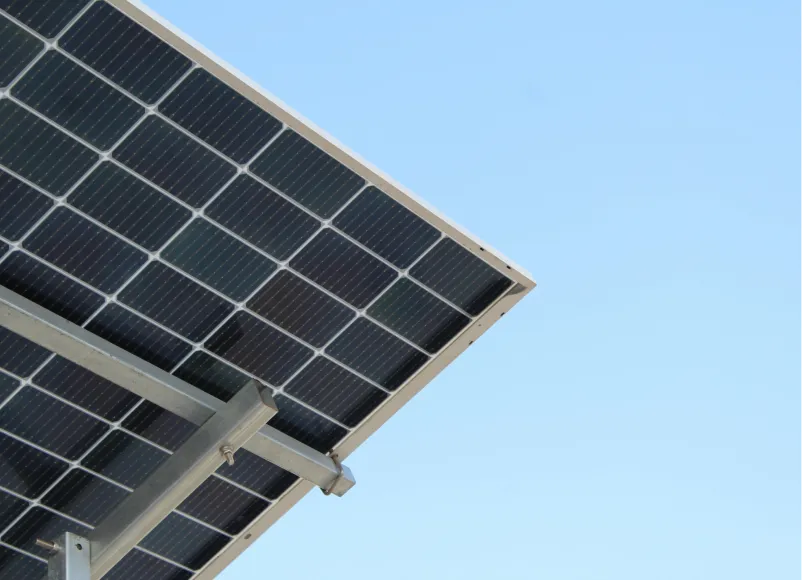
Solar panels are devices that convert sunlight into electricity. They are usually installed on rooftops, open fields, or solar farms. Each panel is made up of many smaller units called solar cells.
These cells are the real heroes behind solar energy production.
How Do Solar Panels Work?
The process is simpler than it sounds. Here’s a step-by-step explanation:
1. Sunlight Hits the Solar Panels
When sunlight falls on the solar panels, the energy from the sunlight is absorbed by the solar cells.
2. Solar Cells Generate Electricity
Each solar cell is made from materials like silicon. When sunlight hits these cells, it knocks electrons loose and creates an electric current.
3. Direct Current (DC) is Produced
The electricity generated by solar panels is in the form of Direct Current (DC).
4. Inverter Converts DC to AC
Most homes and businesses use Alternating Current (AC) electricity. So, an inverter is used to convert DC into AC so it can power your appliances.
5. Electricity Powers Your Home
The converted electricity is then used to run lights, fans, TVs, refrigerators, and other devices. Any extra electricity can be stored in batteries or sent back to the grid (depending on the system).
Conclusion
Solar panels are a smart and sustainable way to produce electricity from sunlight. With simple technology and huge benefits, solar energy is shaping the future of power generation.
If you are planning to reduce your electricity bill or switch to clean energy, solar power is a great choice to start with.